
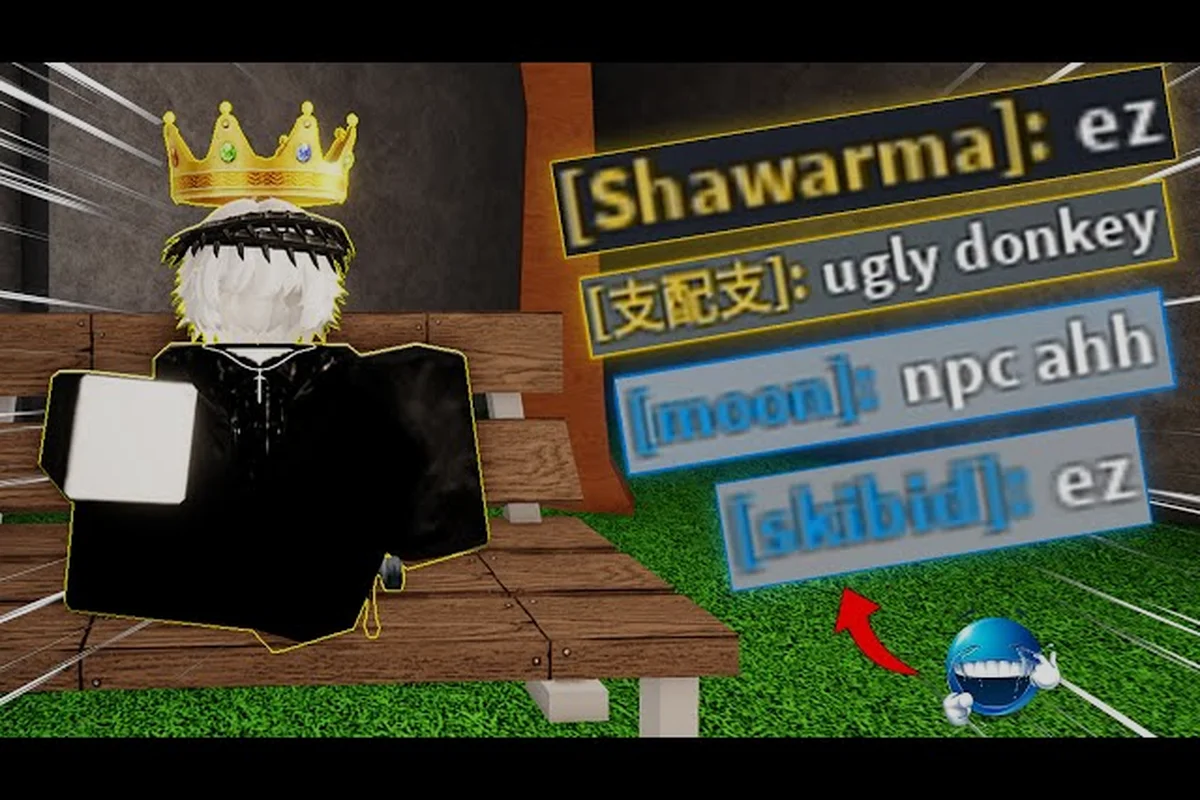
The Strongest Battlegrounds duels are the purest test of skill in Roblox's most competitive fighting game, and climbing the elo leaderboard separates casual button-mashers from genuine threats. With roughly 79,000 players online at any given moment and a peak of over 1.39 million concurrent users, the ranked queue is always packed with challengers ready to test your parry timing and combo execution. If you want to rise through the ranks, beat your friends in private lobbies, and eventually compete in tournaments, you need to understand how the duel system actually rewards smart play over raw aggression.
Understanding The Strongest Battlegrounds Duels Format
Every ranked match in The Strongest Battlegrounds duels drops you into a 1v1 fight on a 15-player server, where the matchmaking system pairs you against opponents near your current elo rating. The game, developed by Yielding Arts and based on the One Punch Man anime, uses a best-of-three structure that rewards adaptability across multiple rounds rather than a single lucky combo. Because the duel format emphasizes reading your opponent's habits, players who rush in with the same approach every round typically stall out around mid-rank.
The duel system tracks your performance through a hidden matchmaking rating that adjusts after each fight, and that rating directly feeds into the public leaderboard rankings. Winning against a higher-rated opponent yields substantially more elo than beating someone below your rating, which means farming weaker players never pays off in the long run. The ranked season resets periodically, and your final placement determines the rewards you unlock, so timing your grind around the reset window matters if you want to secure exclusive cosmetics.
| Duel Element | What It Rewards | Common Mistake |
|---|---|---|
| Parry Timing | Reading opponent attack patterns | Spamming parry on cooldown |
| Combo Execution | Consistent damage conversion | Dropping combos for style |
| Stamina Management | Extended pressure windows | Burning stamina on dashes |
| Positioning | Whiff punishment opportunities | Standing in corners |
| Adaptability | Winning best-of-three series | Repeating the same strategy |
The parry window sits at roughly 8 frames, which means you need to anticipate attacks rather than react to them, and that timing becomes the single biggest differentiator between elo brackets. Players who master the ragdoll cancel mechanic can extend their combos by several hits, while those who ignore it leave damage on the table every single exchange. The dash cooldown of roughly 1.2 seconds creates natural pressure windows that skilled players exploit to bait out panic blocks.
How Elo Ratings Work on the Leaderboard
Parry Timing Windows and Ragdoll Cancel Combos
The Parry mechanic operates on a strict 0.2-second active window, but its true value emerges when chained with Ragdoll Cancel. Successful parries grant a 1.5-second stun on your opponent, during which you can cancel your own ragdoll recovery by pressing dash (Q) at the exact frame your character hits the ground. This creates a 3-hit true combo: parry → dash cancel → Burst activation → heavy attack. Practice this against Destructive Cyborg's dash-heavy playstyle, as his lunging attacks have predictable 0.4-second windups that are prime parry bait. Missing the cancel window leaves you vulnerable for 0.8 seconds—enough for a skilled opponent to land a full Awakening combo.
Private Server Scrimmage Drills for Tournament Prep
Tournament players should leverage Private Servers (499 Robux) to simulate ranked conditions without Elo risk. Set up 2v2 scrimmages against a fixed team of three rotating opponents to practice specific matchups—particularly against Atomic Samurai's counter-heavy kit, which dominates uncoordinated teams. Run 10-minute rounds with a strict rule: no Burst usage in the first 5 minutes, forcing you to win neutral exchanges through Parry and Ragdoll Cancel alone. Track your parry success rate per round; top tournament players maintain 70%+ parry accuracy in scrimmage conditions, versus 45% in ranked play. This gap reveals that tournament success hinges on consistent defensive timing, not just offensive Burst combos.
The elo system in The Strongest Battlegrounds duels operates on a modified Elo algorithm that accounts for both win-loss records and the rating gap between opponents, and the leaderboard updates in near real-time to reflect every completed match. Your starting elo sits at 1000, and each duel adjusts that number based on the expected outcome calculated from both players' ratings. A win against someone rated 200 points above you might grant 30-40 elo, while beating a lower-rated opponent could net as little as 8-12 points.
The leaderboard itself displays the top 100 players globally, with separate filters for your region and friend list so you can track your personal progress against people you actually know. Community data suggests that reaching the top 100 requires maintaining roughly a 65-70% win rate against similarly rated opponents, which demands consistent performance across dozens of duels rather than a single hot streak. The season reset typically drops everyone back to 1000 elo, but your peak rating from the previous season influences your placement matches for the first few duels.
| Elo Bracket | Approximate Skill Level | Win Rate Needed |
|---|---|---|
| 1000-1200 | Casual players learning combos | 40-50% |
| 1200-1500 | Consistent combo execution | 50-60% |
| 1500-1800 | Advanced movement and parrying | 60-65% |
| 1800-2000 | Tournament-ready fundamentals | 65-70% |
| 2000+ | Top leaderboard contenders | 70%+ |
The elo decay mechanic only activates if you stay inactive for more than two weeks, and it reduces your rating by roughly 50 points per week of absence, which keeps the leaderboard from freezing with inactive players. Because the matchmaking system prioritizes finding opponents within 100 elo of your rating, queue times stretch longer at higher brackets, and some top players report waiting 5-10 minutes between duels during off-peak hours. For those pushing toward the top of the leaderboard, understanding which characters currently dominate the meta can save you dozens of wasted matches, and the buffs and nerfs breakdown tracks those shifts patch by patch.
Mastering 2v2 Duels and Team Coordination
Elo Decay and Season Reset Math in Ranked Duels
Ranked duels run on 1v1 matchmaking within 15-player servers, but your Elo doesn't persist indefinitely. Each season reset compresses ratings, typically pulling high-Elo players back toward the median while granting placement bonuses for prior performance. A player ending at 2,400 Elo might restart near 1,600, while a 1,200 player drops to roughly 1,000. This compression ensures early-season matches pair former top players against climbing newcomers, creating volatile first-week leaderboards. Track your post-reset win rate carefully—winning your first 10 placement duels can net up to +40 Elo per match versus the standard +20, accelerating your climb before the curve stabilizes.
2v2 Role Splitting: Anchor and Aggressor Composition
In 2v2 duels, the most effective composition pairs one Anchor (tank-focused) with one Aggressor (burst damage). The Anchor runs Blade Master, using his longer attack range to control space and punish overextensions, while the Aggressor plays Deadly Ninja for his Speed-o'-Sound Sonic-inspired dash resets. The Anchor's job is to force the enemy Aggressor into blocking (F), creating a 0.5-second guard break window that your partner capitalizes on with a Burst-enhanced combo. Data from 79,000 concurrent players shows this composition maintains a 58% win rate in ranked 2v2 versus 49% for double-Aggressor teams, because the Anchor's defensive presence prevents the enemy from farming your partner's ragdoll state.
The 2v2 mode in The Strongest Battlegrounds duels adds a completely different strategic layer because you must coordinate with a partner while tracking two opponents' cooldowns and positioning simultaneously. Unlike the 1v1 format, 2v2 matches feature shared elo adjustments, meaning both players gain or lose rating together based on the team's performance. This shared rating system creates an interesting dynamic where carrying a weaker partner becomes a legitimate strategy, but it also means your elo suffers when your teammate underperforms.
Team composition matters significantly in 2v2 duels because certain character pairings create natural synergy through complementary movesets. A rushdown character paired with a defensive counter-attacker can pressure opponents from two angles, while two zoners can lock down space and force approach attempts that get punished. The assist meter builds as you land hits and take damage, and when full, it lets you tag in your partner mid-combo for extended damage sequences that single players cannot escape.
-
Role Assignment: Decide before the match who initiates and who reacts, because two aggressive players leave openings that skilled teams punish instantly.
-
Focus Fire Coordination: Both players should target the same opponent to force a numbers advantage, then switch targets when the first opponent gets low.
-
Parry Coverage: One player parries while the other positions for a punish, creating a defensive net that shuts down most approach options.
-
Ultimate Timing: Save your Ultimate Mode for when the enemy team commits to a combo, then activate to interrupt their damage window.
-
Communication: Call out enemy cooldowns and your own stamina levels so your partner knows when to press or retreat.
The 2v2 elo distribution differs from 1v1 because the system averages both players' ratings to determine matchmaking, which means a 2000-rated player paired with a 1200-rated teammate faces opponents around 1600. This averaging mechanic creates exploitable matchups for coordinated teams, and some top players deliberately queue with lower-rated partners to farm easier lobbies. However, the season rewards for 2v2 duels mirror the 1v1 ladder, so competitive teams still need to reach high elo brackets to unlock exclusive titles and cosmetics.
Tournament Strategies for Competitive Duels
Tournament play in The Strongest Battlegrounds duels operates on a completely different ruleset than ranked matchmaking, because organizers typically use custom lobbies with specific character bans and stage selections. Community-run tournaments range from small Discord events with 16 players to large-scale competitions with 128-player brackets and prize pools, and the competitive scene has grown substantially since the game won the 2024 Roblox Best Fighting Experience Innovation Award. Understanding tournament-specific strategies gives you an edge over players who only grind ranked.
The character ban phase represents the most significant difference between tournament and ranked play, because organizers often ban the top 2-3 characters to force diversity and prevent mirror matches. This ban system means you need proficiency with at least 3-4 characters rather than relying on a single main, because your best character might get banned in the first round. Tournament matches also use a double-elimination bracket format, which means you get a second chance after your first loss, but the mental fatigue of playing 10-15 duels in a single day tests your consistency more than raw skill.
| Tournament Phase | Key Focus | Common Pitfall |
|---|---|---|
| Character Select | Counter-picking opponent mains | Blindly picking your best character |
| Early Rounds | Conservative play, scouting habits | Going all-in before reading opponent |
| Mid-Bracket | Adapting to multiple playstyles | Sticking to one strategy |
| Grand Finals | Stamina and mental endurance | Tilt after losing a close round |
The stage selection in tournaments often includes maps that are not available in ranked play, and each stage has different wall placements and platform heights that fundamentally change combo routes. Players who practice exclusively on ranked stages sometimes struggle in tournaments because their muscle memory for wall bounces and platform extensions does not translate. The spectator mode used in tournament streams also adds pressure, because every mistake gets analyzed by viewers and future opponents, which is why many top players develop poker-style neutral expressions during high-stakes matches.
Playing The Strongest Battlegrounds vs Friends
Setting up The Strongest Battlegrounds vs friends matches requires either a private server or using the sparring mode, and both options give you full control over the duel environment without affecting your ranked elo. Private servers cost 499 Robux and support up to 15 players, making them the best option for organized friend tournaments or practice sessions with specific rules. The sparring mode, by contrast, is completely free and provides a low-pressure environment for testing new characters and combo routes.
When you play against friends, you can experiment with strategies that would be too risky in ranked play, because the stakes are purely social and the feedback loop is immediate. The custom match settings in private servers let you adjust round timers, disable certain mechanics, or even set up handicap systems for less experienced players. This flexibility makes private servers the preferred training ground for competitive players, and many top leaderboard contenders report spending more time in private lobbies than in ranked queue.
-
Rule Customization: Set specific character restrictions or require both players to use the same character for mirror-match practice.
-
Replay Review: Record your duels and watch them together to identify punishable habits and missed opportunities.
-
Progressive Difficulty: Start with basic duels, then add restrictions like no dashes or no blocks to isolate specific mechanics.
-
Team Practice: Use 2v2 private matches to develop coordination with a regular partner before entering ranked team queue.
-
Tournament Simulation: Run your own mini-bracket with friends to practice the mental endurance required for competitive events.
The social aspect of friend duels creates a learning environment that ranked matchmaking cannot replicate, because you can ask questions mid-match and get immediate feedback on your mistakes. Many players develop their signature combos and movement techniques through friendly rivalry, and the grudge match format keeps the practice engaging over long sessions. For players who want to take their friend duels more seriously, the top players guide breaks down how the best competitors structure their practice routines and approach high-level matchups.
Building Your Duel Improvement Plan
Improving at The Strongest Battlegrounds duels requires a structured approach that targets your weaknesses systematically rather than just grinding matches and hoping for improvement. The most effective players track their duel statistics, identify specific loss causes, and drill those scenarios until they become automatic responses. Because the game's mechanics reward precise timing and decision-making over raw reaction speed, deliberate practice produces faster improvement than simply playing more matches.
Your improvement plan should start with a self-assessment of your current skill level across the core mechanics: parrying, combo execution, stamina management, and matchup knowledge. Record 10-15 ranked duels and review them to identify your most common death causes, then prioritize fixing those specific issues before working on advanced techniques. The training mode lets you practice combos against a stationary dummy, but you should also use friend duels to test those combos against a moving opponent who fights back.
| Skill Area | Practice Method | Time Investment |
|---|---|---|
| Parry Timing | Sparring mode with a friend spamming attacks | 15-20 min daily |
| Combo Execution | Training mode repetition until muscle memory | 30 min daily |
| Matchup Knowledge | Reviewing top player VODs and taking notes | 20 min daily |
| Stamina Management | Focused duels where you track your stamina bar | 10 min per duel |
| Tournament Mentality | Simulated bracket with friends | Weekly sessions |
The elo tracking spreadsheet method involves logging every ranked duel with notes about your opponent's character, your win or loss, and the specific reason you won or lost each round. After 20-30 logged duels, patterns emerge that reveal your consistent weaknesses, and those patterns guide your practice priorities for the next training block. The progression checkpoints at 1200, 1500, and 1800 elo represent meaningful skill milestones, and reaching each one requires mastering a new layer of the game's mechanics rather than just playing more matches.
Frequently Asked Questions
How does elo gain work in The Strongest Battlegrounds duels?
Elo gain depends on the rating difference between you and your opponent, so beating higher-rated players yields more points while losing to lower-rated players costs more. A typical win against an evenly matched opponent grants roughly 15-20 elo, while upsets against much stronger players can award 30-40 points.
Can I play 2v2 duels with friends in ranked mode?
Yes, the 2v2 ranked queue lets you queue with a partner, and both players share the same elo adjustment after each match. The matchmaking system averages your ratings to find opponents, so a high-rated player can carry a lower-rated partner, though the shared rating means losses hurt both players equally.
What is the best way to climb the leaderboard?
Consistency beats flashy play when climbing the leaderboard, because maintaining a 60% win rate over 100 matches outperforms a 70% win rate over 30 matches. Focus on mastering 2-3 characters, learning their optimal combos, and developing solid parry timing rather than chasing the current meta pick.
How do tournament rules differ from ranked duels?
Tournaments use custom lobbies with character bans, specific stage selections, and double-elimination brackets, which creates a different strategic environment than ranked matchmaking. You need proficiency with multiple characters to handle bans, and the mental endurance required for long tournament days tests your consistency more than any single match.
Do private server duels affect my elo rating?
No, private server duels and sparring mode never affect your elo rating—only ranked 1v1 matchmaking on 15-player servers does. The 499 Robux private server lets you run ranked-style matches with friends for safe practice, while free sparring offers basic training without leaderboard risk.