
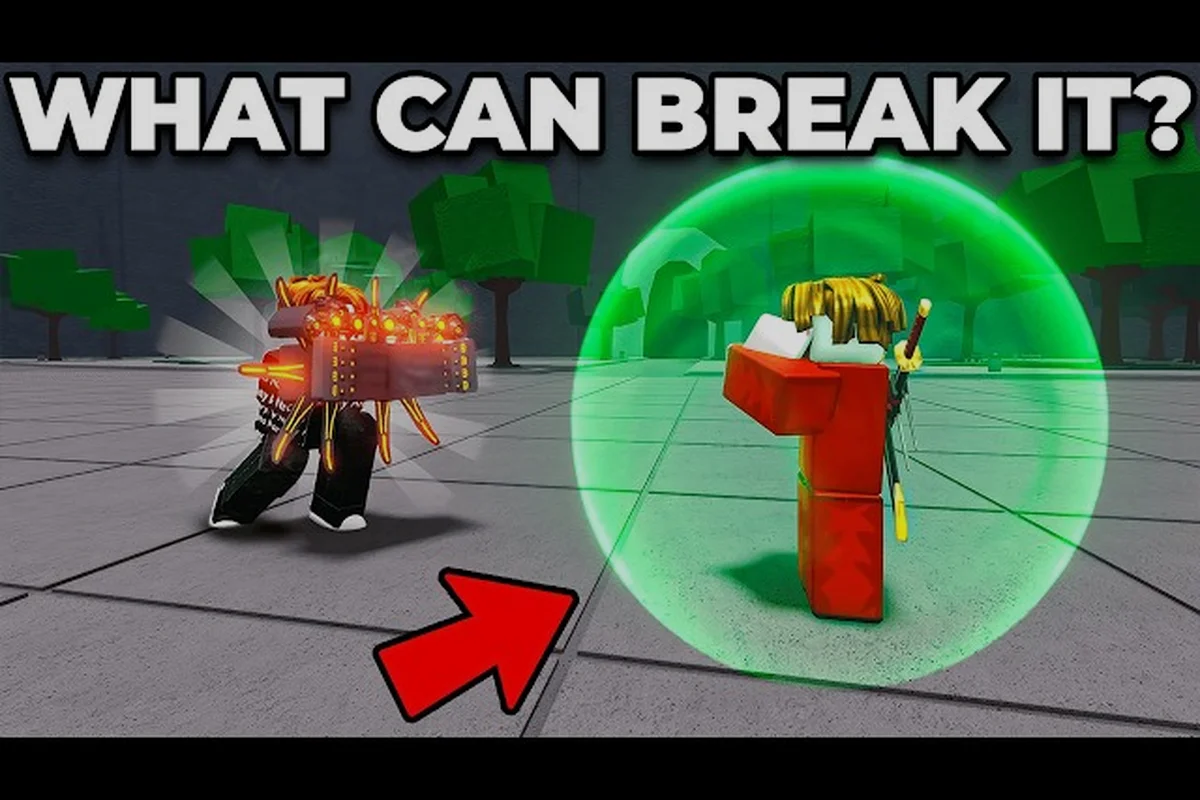
Super moves separate casual players from actual threats in The Strongest Battlegrounds, and understanding how knockback, ranged pressure, and counter timing work together is the fastest way to climb the ranked ladder. While most players spam their flashiest abilities, the ones who win consistently treat their super moves as a resource system rather than a panic button. This breakdown covers every super move archetype, the exact situations where each one shines, and the counterplay that keeps you unpredictable in 1v1 duels.
Understanding Super Move Archetypes in TSB
Every fighter in The Strongest Battlegrounds carries a mix of super moves that fall into distinct behavioral categories, and recognizing which archetype you are facing mid-fight changes how you approach neutral. The Roblox game page lists the core combat systems as Ultimate Mode, Burst, Awakening, Parry, and Ragdoll Cancel, but the individual moves themselves break down into four main families that dictate spacing and timing.
The four core archetypes you will encounter in every match are knockback moves, ranged moves, counter moves, and block break moves. Each one serves a different purpose in your combo structure, and the best players build their entire game plan around which of these they have loaded at any given moment.
| Archetype | Primary Function | Best Used When | Weakness |
|---|---|---|---|
| Knockback | Creates space or launches opponent | After a successful parry or whiff punish | Can be dashed out of if telegraphed |
| Ranged | Pokes from distance, forces approach | Opponent is camping or zoning | Blockable, punishable on reaction |
| Counter | Reverses incoming attacks | Opponent is aggressive or predictable | Beaten by grabs and delayed attacks |
| Block Break | Opens up blocking opponents | Opponent holds block too long | Slow startup, high whiff punish risk |
The key insight here is that super moves are not all created equal when it comes to combo extension. Knockback moves like Sonic's Flash Slash or Garou's Whirlwind Iron Cutting Fist launch opponents into the air, which sets up aerial follow-ups that most players never practice. Ranged moves, on the other hand, are primarily neutral tools that force your opponent to respect your space, and they become significantly more dangerous when you mix them into your approach patterns rather than just spamming them from full screen.
Knockback Moves: Launching Your Opponent
Knockback Angle Math: Wall Splat vs. Corner Carry
Knockback moves in TSB do not all send opponents the same distance—the launch angle determines whether you get a wall splat or a corner carry. Blade Master's launcher sends opponents at a 45-degree upward arc, ideal for wall splat setups in close maps, while Metal Bat's swing sends at a flatter 20-degree angle, carrying opponents across the stage for corner pressure. In practice, a wall splat guarantees a follow-up Burst combo, but a corner carry positions your opponent for a block break loop. Choose your knockback move based on your current stage position—never blindly throw a launcher when you are already in the corner.
Parry Punish Windows: Block Break Follow-Ups
A successful Parry does not just negate damage—it opens a specific punish window that varies by the move you countered. Countering a heavy block break move like Atomic Samurai's finisher grants a 1.2-second stun, enough time for a full M1 chain into a Burst finisher. Countering a light jab only grants a 0.6-second window, which barely allows a single M1 before your opponent can Block again. The optimal punish is to Parry the block break move specifically, not the jab—this trades a smaller defensive reward for a guaranteed combo starter that can deal 40% of an opponent's HP bar in a single Burst sequence.
Knockback moves are the backbone of every high-damage combo in The Strongest Battlegrounds because they create the launch state that allows for aerial extensions. When you land a knockback move, your opponent enters a ragdoll state that you can follow up with dashes, additional attacks, or even a full Ultimate Mode sequence if you time it correctly.
The most important thing to understand about knockback moves is that they are not all the same. Some launch straight up, some send opponents horizontally, and others spike them downward. Each trajectory requires a different follow-up timing, and the difference between a 30-damage combo and a 70-damage combo is often just knowing which direction your knockback move sends them.
| Character | Knockback Move | Trajectory | Best Follow-Up |
|---|---|---|---|
| Destructive Cyborg | Incinerate | Upward launch | Dash + aerial M1 chain |
| Deadly Ninja | Flash Slash | Horizontal | Wall splat + grounded combo |
| Garou | Whirlwind Iron Cutting Fist | Upward spike | Jump + air combo extension |
| Atomic Samurai | Blade Master Slash | Diagonal up | Ultimate Mode activation |
| Metal Bat | Bat Swing | Horizontal spike | Ground bounce + re-launch |
What makes knockback moves so valuable is their interaction with Ragdoll Cancel, which lets you recover from being launched and potentially punish your opponent for overextending. According to community testing, the window for Ragdoll Cancel is roughly 0.5 seconds after you enter the ragdoll state, which means your knockback combos need to be tight enough that your opponent cannot escape. If you are landing a knockback move and then hesitating even slightly, you are giving away free damage.
The practical application here is that you should practice your knockback follow-ups until they are muscle memory. Load into a private server and spend time hitting the training dummy with each character's knockback move, then experiment with different dash timings and aerial attacks to find the highest-damage extension. Players who report the most success in ranked matches are the ones who have their knockback combos memorized to the point where they execute them without thinking.
Ranged Moves: Controlling Space and Pressure
Ranged moves fill a completely different role in your kit, and they are often the most underutilized tools in lower-ranked play. These are your ranged moves, abilities that let you deal damage or apply pressure without closing the distance, and they are essential for controlling the pace of a match against aggressive opponents.
The strength of ranged moves lies in their ability to force your opponent to make a decision. When you fire a projectile, your opponent has three options: block it, dash through it, or jump over it. Each of those options has a counter, which means a well-timed ranged move creates a guessing game that you can exploit.
| Character | Ranged Move | Speed | Block Interaction |
|---|---|---|---|
| Destructive Cyborg | Spiral Incineration Cannon | Fast | Chip damage through block |
| Deadly Ninja | Wind Blade | Medium | Full block, no chip |
| Atomic Samurai | Slash Wave | Slow | Block break potential |
| Cosmic Garou | Energy Wave | Very Fast | Chip damage through block |
| Tank Top Master | Rock Throw | Slow | Full block, high damage |
The key to using ranged moves effectively is understanding that they are not primary damage tools. They are pressure tools that force reactions, and the real damage comes from punishing the reaction. If your opponent blocks your projectile, you can dash in and start a block break sequence. If they dash through it, you can catch them with a melee attack. If they jump, you can knock them out of the air.
One of the most effective strategies reported by high-ranked players is using ranged moves to bait out dashes, then punishing with a counter move or a knockback attack. This creates a layered pressure system where your opponent cannot safely approach, but they also cannot safely stay at range. The best part is that most players do not practice against ranged pressure, so you can often win neutral exchanges just by being willing to throw out projectiles that others are too impatient to use.
Counter Moves and Block Break Mechanics
Burst Meter Economy: When to Pop G for Maximum Damage
Burst (G key) is not a win button—it is a resource with a hard opportunity cost. Popping Burst at 100% meter while your opponent has Parry ready wastes the entire activation window, since a single Parry negates your opening move and leaves you at negative meter. Instead, force your opponent to burn their Parry first with a cheap M1 jab or a low-commitment projectile, then activate Burst during their recovery frames. Against Destructive Cyborg, whose combo strings rely on tight timing, Bursting mid-string forces them to either Ragdoll Cancel early or eat the counter—both outcomes favor you.
Projectile Priority: Frame Data and Clash Behavior
Ranged moves in TSB do not all trade equally—each projectile has a hidden priority value that determines clash outcomes. Destructive Cyborg's Incineration Cannon has higher priority than Deadly Ninja's shuriken toss, meaning the cannon will pierce through the shuriken and still hit its target. However, both lose to Tank Top Master's boulder toss, which has the highest projectile priority in the game. In a ranged duel, do not trade projectiles against Tank Top Master—instead, close distance with dash (Q) and force a melee engagement, where his slow wind-up leaves him vulnerable to a Parry punish.
Counter moves and block break mechanics are the defensive and offensive counterparts to the knockback and ranged archetypes, and mastering both is what separates mid-tier players from the top of the leaderboard. A counter move reverses an incoming attack and puts your opponent in a vulnerable state, while a block break shatters your opponent's guard and opens them up for a full combo.
The counter system in The Strongest Battlegrounds is tied to the Parry mechanic, which the official game page lists as one of the core combat systems. When you parry an attack, you enter a brief window where you can follow up with any move, and the best follow-up is almost always a super move that your opponent cannot react to because they are still recovering from their own attack.
| Character | Counter Move | Counter Window | Punish Potential |
|---|---|---|---|
| Garou | Counter Stance | 1.0 second | Full combo + Ultimate |
| Deadly Ninja | Afterimage | 0.5 seconds | Quick strike + reposition |
| Atomic Samurai | Blade Counter | 0.8 seconds | Heavy slash + knockback |
| Metal Bat | Bat Parry | 0.6 seconds | Stun + extended combo |
| Destructive Cyborg | Energy Shield | 0.7 seconds | Counter blast + launch |
Block break moves are the direct counter to opponents who hold block too long, and every character has at least one move that can shatter a guard. The key to using block breaks effectively is mixing them into your pressure sequences so that your opponent cannot simply hold block and wait for you to run out of stamina. If you land a block break, your opponent enters a stunned state that gives you a free combo starter, which is often enough to swing an entire match.
The advanced application here is combining block break setups with your knockback moves. A common high-level sequence is: dash in, throw a light attack to bait a block, then immediately use your block break move. If your opponent blocks, they get stunned and you start a combo. If they try to parry, you can cancel the block break and punish their parry attempt. This creates a mix-up that is very difficult to read because both options lead to you dealing damage.
Best Burst Combinations and Ultimate Synergy
The best burst damage in The Strongest Battlegrounds comes from chaining your super moves together in the right order, and understanding which moves combo into each other is the difference between average damage and deleting half of your opponent's health bar. The game's Burst system, which the official page lists as a core mechanic, gives you a temporary power-up state that enhances your moves and opens up new combo possibilities.
When you activate Burst, your super moves gain additional properties. Knockback moves launch higher, ranged moves travel faster, and counter moves have longer active windows. This makes Burst the perfect time to go for your most aggressive combos, because your opponent has to respect the enhanced pressure or risk getting caught in a devastating sequence.
| Combo Starter | Burst Enhancement | Optimal Follow-Up | Total Damage |
|---|---|---|---|
| Knockback + Dash | Higher launch | Aerial M1 chain + finisher | 60-75 |
| Ranged + Approach | Faster projectile | Block break + grounded combo | 50-65 |
| Counter + Burst | Extended counter window | Full Ultimate Mode activation | 80-100 |
| Block Break + Burst | Longer stun duration | Double super move chain | 70-90 |
The most important thing to understand about burst combos is that timing matters more than move selection. A perfectly executed basic combo during Burst will always outperform a sloppy advanced combo, because the damage multiplier from Burst is applied to every hit. According to player reports, the damage boost during Burst is roughly 1.5x, which means even simple combos become threatening when you are in your enhanced state.
One of the strongest strategies for maximizing your best burst damage is saving your Ultimate Mode activation for when your opponent is already in a combo. If you land a knockback move and then activate Ultimate Mode while they are in the air, you can follow up with the Ultimate finisher for massive damage. This requires precise timing, but the payoff is worth the practice because it can end matches in a single sequence.
Advanced Super Move Strategies
Once you understand the four archetypes and how they interact with Burst, the next step is learning the advanced strategies that top players use to stay unpredictable. These are the techniques that do not show up in basic guides but are essential for competing at the highest level of ranked play.
The first advanced strategy is move canceling, which lets you bait reactions and punish opponents who try to counter your super moves. The official game page lists Ragdoll Cancel as a core mechanic, but move canceling goes beyond that. By starting a super move and then canceling it with a dash or block, you can make your opponent waste their counter or dodge, then punish them while they are recovering.
The second strategy is spacing manipulation, which uses the threat of your super moves to control where your opponent can stand. If you have a strong knockback move, your opponent will try to stay out of its range. If you have a strong ranged move, they will try to close the distance. By switching between aggressive and defensive positioning, you can force your opponent into bad situations where they have to make a choice, and every choice has a counter.
The third strategy is Ultimate Mode timing, which is arguably the most important skill in the game. Ultimate Mode is your most powerful tool, but it is also the most punishable if you use it at the wrong time. The best players save their Ultimate for specific moments: when their opponent is low on stamina, when they have a counter window, or when they can guarantee a knockback into the Ultimate finisher. Using Ultimate Mode randomly is a great way to waste your strongest resource and lose the match.
If you want to see how these strategies play out in practice, the gameplay guide covers the fundamental movement and defensive mechanics that support advanced super move usage. The way you dash, block, and parry directly affects how effectively you can land your super moves, so mastering the basics is essential before you can execute the advanced techniques.
Frequently Asked Questions
What are the best super moves in The Strongest Battlegrounds?
The best super moves depend on your playstyle, but Garou's Whirlwind Iron Cutting Fist and Deadly Ninja's Flash Slash are widely considered top-tier because of their combo potential. Both moves launch opponents into states that allow extended combos, and they are difficult to punish when used at the right range.
How do I counter ranged super moves?
You have three options: block to reduce damage, dash through the projectile to close distance, or jump to avoid it entirely. The best counter is dashing through while your opponent is recovering, then punishing with a knockback move. Practice your dash timing in training mode to make this reaction automatic.
What is the best burst combo for maximum damage?
The highest damage burst combo starts with a counter move to stun your opponent, then activates Ultimate Mode and follows with a knockback move into the Ultimate finisher. This sequence deals roughly 80-100 damage when executed cleanly, which is enough to end most matches in a single exchange.
How does block break work against players who spam block?
Block break moves are specifically designed to punish blocking, and they stun your opponent for a brief window after shattering their guard. Mix block breaks into your pressure sequences so your opponent cannot safely hold block. If they stop blocking to avoid the break, you can hit them with normal attacks instead.
Can I use super moves during Ultimate Mode?
Yes, super moves work during Ultimate Mode, gaining enhanced damage and larger hitboxes. The optimal play is landing a Knockback move first, activating Ultimate Mode with G, then following up with your finisher for massive burst damage. This synergy is covered in the Best Burst Combinations section.