
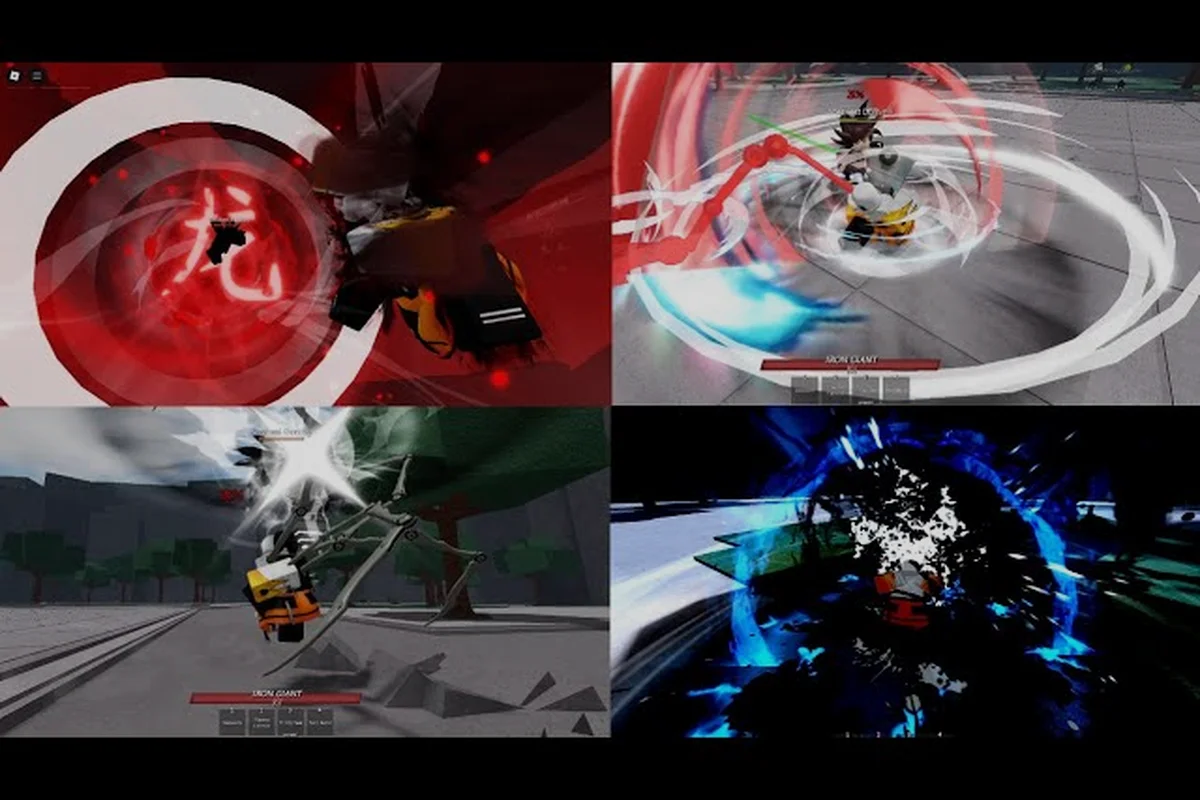
Every fighter in The Strongest Battlegrounds relies on a distinct toolkit, and knowing the strongest battlegrounds all moves catalog is the difference between getting comboed into oblivion and walking away clean. This game, developed by Yielding Arts on Roblox, pulls its roster straight from One Punch Man, which means each character brings unique normals, specials, and an Ultimate Mode that can flip a losing fight in seconds. Because the game runs on 15-player servers with mechanics like Parry, Block, and Ragdoll Cancel, your ability to read the full move list and execute it under pressure determines your win rate far more than raw reaction speed.
The complete catalog breaks down into four layers: M1 punches, character abilities, super moves, and Ultimate Mode finishers. Each layer feeds into the next, and the best players chain them together using move cancels that erase recovery frames. Whether you are grinding ranked or just learning the ropes, this guide walks through every move type, the strongest abilities per character, and the exact inputs you need to master. Get the full breakdown below, then jump into the arena and test each skill against real opponents.
The Strongest Battlegrounds Move List: Core Systems Explained
Burst vs. Awakening: Meter Priority and Damage Scaling
Burst (activated by pressing G) and Awakening are separate resources that stack multiplicatively, not additively. A Destructive Cyborg (Genos) player can enter Burst for a 15% damage boost, then trigger Awakening to layer an additional 20% on top, yielding roughly 38% total damage—but only if the meter is full before the combo starts. Since Burst drains over 8 seconds while Awakening lasts until knocked down, optimal play is to pop Burst first, land a launcher, then Awaken mid-air to extend the combo window. Wasting Awakening early leaves you vulnerable to Parry punishes during the recovery frames.
Before you memorize individual character kits, you need to understand the universal systems that govern how every move behaves in The Strongest Battlegrounds. The game's combat loop revolves around M1 punches as your primary damage source, Dash (Q) for closing distance, Block (F) for defense, and Parry for punishing aggressive opponents. These basics form the foundation of every combo, and top players weave them together with character-specific abilities to create unblockable pressure.
The Ragdoll Cancel mechanic deserves special attention because it lets you recover from knockdowns faster than your opponent expects. When you get launched, pressing Dash at the right moment cancels the ragdoll state and lets you tech back to your feet, which can turn a guaranteed combo into a whiffed ultimate. According to community reports, the timing window sits around 200-300 milliseconds after impact, though it varies slightly depending on the move that knocked you down. Practicing this in the training area pays off immediately in real matches.
Burst and Awakening add another layer of resource management. Burst acts as a get-out-of-jail card that knocks nearby enemies back and breaks combos, while Awakening powers up your character for a limited window with enhanced stats and access to stronger versions of your abilities. The Ultimate Mode (G key) sits at the top of the resource pyramid, requiring a full meter to activate and granting access to your character's most devastating finisher. Understanding when to pop these resources matters just as much as knowing the moves themselves.
Here is a quick reference table for the core systems every player needs to internalize, covering the essential mechanics that separate a one-trick brawler from a true combo master. This includes the universal Move Cancel window (which lets you dash out of any attack’s recovery frames to extend combos), the Passive Meter that fills as you land hits and enables your Unlockable finisher, and the Dash/Block priority rules that dictate whether you can punish a whiffed Saitama Basic or safely close the gap on a Tatsumaki zoning setup. As you work through the full the strongest battlegrounds all moves list, keep this table handy—it maps each character’s specific input timings and cooldowns so you can chain your M1s into a Heavy and then a Special without dropping the string. Mastering these foundational layers here directly feeds into the advanced skill guide sections below, where we break down per-character tech and frame data.
| System | Keybind | Primary Use | Cooldown / Cost |
|---|---|---|---|
| M1 Punch | Mouse Click | Basic damage, combo starter | None |
| Dash | Q | Movement, cancel recovery | Short cooldown |
| Block | F | Reduce incoming damage | None |
| Parry | R (timed) | Counter enemy attacks | Medium cooldown |
| Burst | Shift (when available) | Break combos, escape pressure | Full meter segment |
| Ultimate Mode | G | Access finisher moves | Full meter |
The move cancel system ties everything together, letting you interrupt the recovery frames of one move by inputting another. For example, canceling an M1 chain into a Dash keeps your pressure alive, while canceling a whiffed ability into Block covers your recovery. The strongest battlegrounds move cancel techniques vary by character, but the universal principle stays the same: never leave yourself vulnerable after a missed attack.
Character Ability Breakdown: Every Fighter's Toolkit
Each character in The Strongest Battlegrounds brings a unique set of abilities that define their playstyle, and the strongest battlegrounds ability guide starts with understanding what each fighter excels at. The roster covers a wide spectrum, from rushdown brawlers to zoning specialists, and your choice of character should match how you like to approach fights. Below, we break down the move sets for the most popular fighters, with notes on how each ability fits into practical combat. Understanding each fighter's kit is only half the battle—to see how these abilities chain together in real scenarios, check out The Strongest Battlegrounds Skill Showcase, which highlights the practical timing and combo potential behind the moves we've outlined here.
Saitama-Style Brawlers: Pure Pressure
The Saitama-inspired moveset focuses on overwhelming aggression with heavy M1 damage and simple, high-impact abilities. His kit includes a Consecutive Normal Punches special that deals massive damage up close, a Serious Punch super move that launches opponents across the arena, and an Ultimate Mode that essentially guarantees a kill if it connects. The tradeoff is a lack of ranged options, which means you have to win the neutral game to get in.
Speedsters and Ninjas: Mobility and Mixups
The Deadly Ninja (Speed-o'-Sound Sonic) kit revolves around teleport dashes and multi-hit slash combos that keep opponents guessing. His abilities include a Quadruple Accel that closes distance instantly, a Wind Blade projectile for mid-range pokes, and an Ultimate that traps opponents in a cinematic combo they cannot escape. Because his moves recover quickly, he excels at applying constant pressure and resetting his offense with move cancels.
Powerhouses: Damage and Zone Control
Characters like Destructive Cyborg (Genos) trade some mobility for ranged energy blasts and devastating AoE attacks. His Incinerate ability fires a beam that covers long distance, while Machine Gun Blows peppers opponents with rapid projectiles. The Ultimate Mode transforms him into a walking artillery platform, making him a nightmare for opponents who struggle to close distance. If you prefer controlling space rather than diving in, this archetype fits your style.
Here is a comparison table of the most popular characters and their signature abilities, breaking down the strongest battlegrounds all moves by damage output and zone-control potential. For example, while Saitama’s Basic Combo excels at single-target burst, characters like Tatsumaki or Boros rely on wide-area projectiles that punish grouped opponents. This table also highlights key differences in cooldown times and knockback values, helping you identify which the strongest battlegrounds best abilities suit your aggressive or defensive playstyle before you practice move cancel timing.
| Character | Archetype | Signature Ability | Ultimate Finisher |
|---|---|---|---|
| Saitama-Style | Rushdown | Consecutive Normal Punches | Serious Punch |
| Deadly Ninja | Mixup | Quadruple Accel | Shadowless Slash |
| Destructive Cyborg | Zoner | Incinerate | Jet Drive Arrow |
| Blade Master | Spacing | Iaido Slash | Sun Blade |
| Metal Bat | Bruiser | Bat Smash | Pumped Up Finish |
The Blade Master (Atomic Samurai) deserves special mention because his Iaido Slash acts as a counter move that punishes opponents who attack into it. This makes him a strong pick against aggressive players who spam M1s, since you can bait their offense and respond with a devastating punish. His Ultimate Mode, Sun Blade, deals absurd damage and has a wide hitbox, making it one of the strongest finishers in the game when used at close range.
How to Use Moves Effectively: Combo Structure and Timing
Knowing the strongest battlegrounds how to use moves properly goes beyond memorizing inputs, because the real skill lies in chaining abilities together into combos that opponents cannot escape. Every character has a combo structure that starts with a launcher, continues with aerial attacks, and finishes with a super move or ultimate. The key is understanding which moves have launch properties, which ones ragdoll opponents, and how to connect them without dropping the sequence.
The standard combo formula looks like this: M1 chain into launcher, aerial follow-up, then finisher. For example, a Saitama-style combo might start with three M1s, transition into an uppercut that launches the opponent, follow with a few aerial punches, and finish with a Serious Punch that sends them flying. The damage output depends on how cleanly you execute each link, since dropped combos leave you wide open for a punish.
Move cancels play a critical role in extending combos and keeping pressure alive. The most important cancel in the game is Dash canceling, which lets you interrupt the recovery of any move by dashing forward. This allows you to chain moves that would normally have too much end lag to connect, and it also lets you chase opponents who try to escape after a knockdown. According to player testing, the window for dash canceling sits at roughly the first 10 frames of recovery, so you need to input the dash quickly after the move lands.
Start by picking a basic chain that fits your character’s kit—typically a light attack string into a heavy finisher, such as 3 light attacks → heavy attack → dash cancel → repeat. The key is to time the dash cancel immediately after the heavy connects, which lets you reset your combo without giving the opponent a chance to tech out. For example, using Saitama’s basic combo (light-light-light-heavy) into a dash-canceled Normal Punch keeps the pressure loop tight and builds your Ultimate meter faster than raw neutral pokes. Once you master this rhythm, you can layer in move cancels to bait out enemy dodges and punish with a stronger finisher, turning a simple string into a reliable 40% damage opener.
-
Step 1: Open with a Dash to close distance, then land two M1 punches to confirm the hit.
-
Step 2: Input a launcher ability (usually your second skill) to send the opponent airborne.
-
Step 3: Jump and follow with aerial M1s, timing each hit to keep the opponent in the air.
-
Step 4: Finish with a super move that has a wide hitbox, or save your ultimate for a guaranteed kill.
-
Step 5: If the combo drops, immediately Dash cancel into Block to avoid the punish.
The timing window for each link varies by character, so you should spend time in the training area practicing each combo until it becomes muscle memory. The difference between a player who knows the strongest battlegrounds all moves and one who can execute them under pressure is thousands of hours of practice, but the payoff shows up in your win rate immediately.
Best Abilities Tier List: Ranking the Strongest Moves
Not all abilities are created equal, and the strongest battlegrounds best abilities ranking shifts with every balance patch. Based on community testing and player reports as of August 2026, certain moves stand head and shoulders above the rest because of their damage output, utility, or difficulty to counter. This tier list reflects the current meta, though you should always check for patch notes before committing to a main.
S-tier abilities are the ones that define the meta because they offer too much value for their cooldown. Serious Punch tops this list because it deals massive damage, has a huge hitbox, and launches opponents into a state where they cannot act. Jet Drive Arrow from Destructive Cyborg also sits in S-tier because it covers long distance, has tracking properties, and sets up easy follow-up damage. These moves win games on their own when used at the right moment.
A-tier abilities are strong but require more setup or have counterplay options. Quadruple Accel falls here because while it offers incredible mobility, skilled opponents can predict and parry the follow-up attack. Incinerate also sits in A-tier because it deals solid damage and covers distance, but it has a telegraphed wind-up that gives opponents time to react. These moves are excellent in the right hands but do not carry fights by themselves.
Here is the full tier list based on current community consensus, ranked from S-tier to D-tier after the latest balance patch. This ranking prioritizes raw damage output, combo potential, and move-cancel viability in competitive play. For instance, S-tier moves like Atomic Slash dominate because their low end-lag allows for seamless move-canceling into a full combo string, while lower-tier abilities often have long recovery frames that leave you vulnerable to punishment. The list also factors in how each move interacts with the dash mechanic, as moves that can be canceled mid-animation are significantly more valuable for extending pressure and securing kills.
| Tier | Ability | Character | Why It Ranks Here |
|---|---|---|---|
| S | Serious Punch | Saitama-Style | Massive damage, huge hitbox, unblockable in most cases |
| S | Jet Drive Arrow | Destructive Cyborg | Long range, tracking, sets up easy combos |
| A | Quadruple Accel | Deadly Ninja | Great mobility, but punishable if predicted |
| A | Incinerate | Destructive Cyborg | Strong damage, but telegraphed wind-up |
| B | Iaido Slash | Blade Master | Good counter, but requires precise timing |
| B | Bat Smash | Metal Bat | Solid damage, but short range |
The move tier system also affects how abilities interact with each other. Higher-tier moves generally have priority over lower-tier ones, meaning they win trades when both players attack simultaneously. This matters in neutral because you want to use your strongest moves to beat your opponent's weaker options, then follow up with a combo that converts the advantage into real damage.
Advanced Move Cancel Techniques and Counterplay
The strongest battlegrounds move cancel techniques separate good players from great ones, because they let you break the game's rules and create pressure that opponents cannot answer. While basic dash canceling covers most situations, advanced players use ability cancels, block cancels, and ultimate cancels to create unpredictable offense that keeps opponents guessing.
Ability canceling works by inputting a new move during the recovery frames of a previous one, which lets you chain abilities that would normally have too much end lag to connect. For example, the Deadly Ninja can cancel a whiffed Wind Blade into Quadruple Accel, instantly closing the distance and punishing opponents who tried to punish the missed projectile. This creates a mind game where opponents never know whether you will commit to the projectile or cancel into a rushdown.
Block canceling is a defensive technique that lets you transition from any move into Block faster than normal. This is especially useful after whiffing a super move, since it covers the recovery window and prevents opponents from punishing your mistake. The timing is tight, but mastering it dramatically reduces the number of punishes you take in a match.
Ultimate canceling is the most advanced technique, and it involves canceling the startup of your ultimate into a dash or block. This is primarily a mind game tool because it makes opponents respect your ultimate even when you are not committing to it. If you can condition opponents to block or dash when they see your ultimate animation start, you can cancel into a grab or launcher and catch them off guard.
Here are the key counterplay strategies against common move types: for example, when facing an opponent spamming Saitama's consecutive normal punches, a well-timed dash-cancel into your own grab can punish the recovery frames before their third hit connects. Against projectile-heavy kits like Golden Sperm's barrage, use the i-frames from a perfectly executed move cancel to phase through the volley and close distance, forcing a melee scramble where your cancel advantage shines.
-
Against projectile spam: Use Dash to close distance during the wind-up, then punish with a launcher combo.
-
Against counter moves: Bait the counter by starting an attack, then cancel into Block or Dash to avoid the punish.
-
Against ultimate spam: Save your Burst for the exact moment the ultimate connects, then break the combo and punish the recovery.
-
Against mobility characters: Use wide-hitbox moves to cover the space where they want to dash, forcing them into a bad trade.
The counterplay layer is what makes The Strongest Battlegrounds a deep fighting game rather than a button-masher. Every move has an answer, and the player who can read their opponent's tendencies and adapt their move selection wins more consistently. This is why the strongest battlegrounds skill guide always emphasizes adaptation over memorization, because a rigid game plan falls apart the moment your opponent figures it out.
Frequently Asked Questions
What is the best ability in The Strongest Battlegrounds?
Serious Punch is widely considered the best ability because it deals massive damage, has a huge hitbox, and launches opponents into an unblockable state. According to community testing, it can take over half of an opponent's health when used at close range, making it a fight-ending tool in most situations.
How do I perform a move cancel in The Strongest Battlegrounds?
Move canceling requires inputting a Dash or Block during the recovery frames of a previous move. The window sits at roughly the first 10 frames of recovery, so you need to input the cancel quickly after the move lands. Practicing in the training area is the fastest way to internalize the timing.
Which character has the strongest ultimate move?
Destructive Cyborg's Jet Drive Arrow is often ranked as the strongest ultimate because it covers long distance, has tracking properties, and sets up easy follow-up damage. However, Saitama-Style's Serious Punch deals more raw damage, so the choice depends on whether you prefer guaranteed kills or combo potential.
How do I counter projectile spam in The Strongest Battlegrounds?
Use Dash to close distance during the wind-up animation, then punish with a launcher combo. Most projectile abilities have a telegraphed startup that gives you time to react, and once you close the gap, the zoner has few options to escape your pressure.
What is the best way to practice the strongest battlegrounds all moves?
Start in the training area to drill each character's combo structure, then test execution in casual matches against live opponents. Focus on one fighter at a time and record matches to spot which moves you drop under pressure. Master ragdoll cancel timing, then layer in parry and burst reads.